
Working Capital Turnover Ratio Meaning, Formula, Calculation
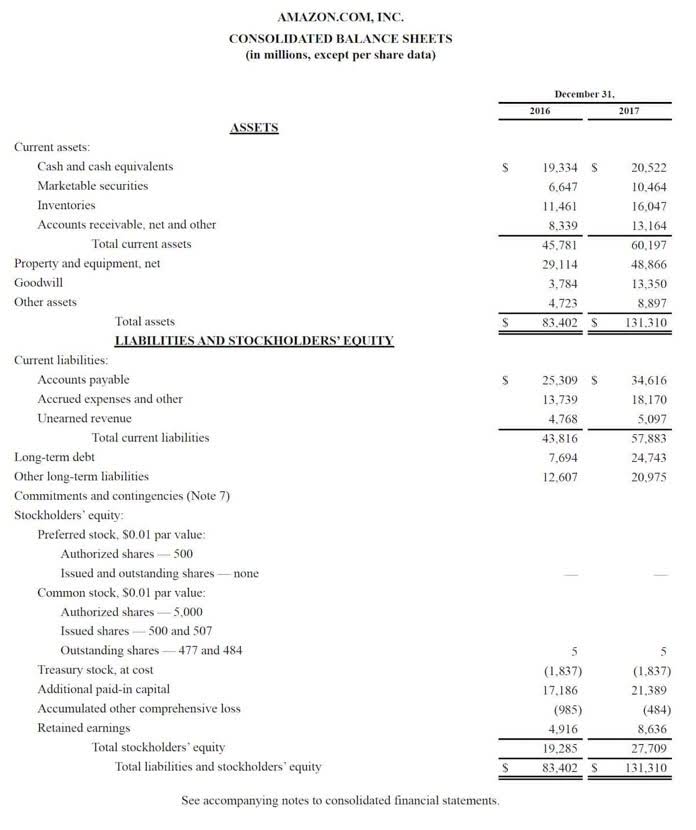
As discussed earlier, working capital is the difference between its current assets and liabilities. These are stand-alone financial figures obtained from a company balance sheet. For investors and creditors, the working capital ratio serves as a crucial indicator of an organization’s financial stability and its ability to repay debts. A higher ratio generally instills confidence, as it implies a cushion of liquidity, reducing the risk of default. However, an excessively high ratio may also indicate that the company is not efficiently utilizing its resources.

Payment
Excess assets might also be sent back to shareholders in the form of dividends or stock buybacks. Current liabilities are the amount of money a company owes, such as accounts payable, short-term loans, and accrued expenses, that are due for payment within a year. Positive working capital is always https://estacion369.com/retained-earnings-everything-you-need-to-know/ a good thing because it means that the business is about to meet its short-term obligations and bills with its liquid assets.
What If You Have Negative Working Capital?

Assets are classed as current when their value working capital ratio formula is expected to be converted into cash within a year. Similarly, current liabilities are a company’s short-term financial obligations that are due to be settled during the same period. It’s used by businesses for all sorts of things, from paying wages to investing in growth.
Treasury & Risk
- One method of achieving the first objective is to increase the efficiency of accounts receivable processes.
- Current liabilities, conversely, encompass all financial obligations that a company expects to settle within one year or one operating cycle.
- As just noted, a working capital ratio of less than 1.0 is an indicator of liquidity problems, while a ratio higher than 2.0 indicates good liquidity.
- If your working capital is significantly higher than your short-term debts, you’re probably in decent shape to manage immediate and unexpected costs.
- Below is a short video explaining how the operating activities of a business impact the working capital accounts, which are then used to determine a company’s NWC.
- The calculation of the net working capital ratio would indicate a positive balance of $300,000.
- Non-cash working capital is useful in figuring out if a company is hiding poor performance under a large cash balance.
However, it is important to clarify that even though an optimal net working capital ratio would be 1.2 to 2.0, this can depend on the business’s industry. If future periods for the current accounts are not available, create a section to outline the drivers and assumptions for the main assets. Use the historical data to calculate drivers and assumptions for future periods. See the information below for common drivers used in calculating specific line items. Finally, use the prepared drivers and assumptions to calculate future values for the line items. At the very top of the working capital schedule, reference sales and cost of goods sold from the income statement for all relevant periods.

Current Liabilities:
This is monitored to ensure that your business has sufficient working capital in every accounting period, so that resources are fully utilized, and to help protect the company from experiencing a shortage in funds. OWC is useful when looking at how well your business can handle day-to-day operations, while knowing how to work out NWC is useful in considering how your company is growing. A booming tech startup, for instance, might book big sales but let customers pay months later, leaving a shortage of immediate cash. Many businesses check it monthly – especially those with significant swings in inventory or accounts receivable. But for now, let’s keep our focus on the ratio aspect and interpret what it means for your business operations. HighRadius is redefining treasury with AI-driven tools like LiveCube for predictive forecasting and no-code scenario building.
Interpreting a negative working capital ratio
Decisions related to working capital and short-term financing are referred to as working capital management. It involves managing the relationship between a company’s short-term assets ( inventories, accounts receivable, cash) accounting and its short-term liabilities. An activity or efficiency ratio measures how effectively a company utilizes its working capital to generate sales revenue. Profitability ratios, on the other hand, assess a company’s overall profitability by comparing its earnings with sales, assets, or equity.
A ratio of over 2 could mean the company is not efficiently utilising its assets to generate revenue. Interpreting the working capital ratio provides insights into a company’s financial health, with different values signifying varying levels of liquidity. A ratio greater than 1.0 indicates that a company possesses more current assets than current liabilities, suggesting it has sufficient resources to cover its immediate debts. For example, a ratio of 1.5 implies that for every dollar of current liabilities, the company has $1.50 in current assets, demonstrating a healthy buffer.


